
Ladakh Apricots: A Golden Treasure of the Mountains

Updated: Feb 11
Ladakh, often called the "Land of High Passes," is not just known for its breathtaking landscapes and Buddhist monasteries, but also for a golden jewel that thrives in its harsh climate, apricots. Locally called chuli, apricots have been a part of Ladakh's culture, economy, and cuisine for centuries. Today, they are considered one of the region’s most prized products, enjoyed fresh, dried, and in a variety of traditional preparations.

What Makes Ladakh Apricots Unique:
Apricots in Ladakh are unlike those grown in most other parts of the world. The uniqueness comes from:
High Altitude & Climate: Growing at elevations above 9,000 feet, Ladakhi apricots develop an intense sweetness and rich flavour due to the sharp contrast between warm days and cold nights.
Organic & Naturally Grown: Most apricot trees are grown without chemical fertilisers or pesticides. The dry, cold desert climate minimises pests, making them naturally organic.
Diverse Varieties: Ladakh has more than 30 varieties of apricots, including Halman, Safaida, Khanteh, and Raktsey Karpo. Among these, Halman is the most famous variety, celebrated for its sweet taste and long shelf life.
The Harvesting Process:
Apricot season in Ladakh begins in July and August, when villages turn golden with ripened fruits. The process is simple but deeply tied to tradition:
Handpicked with Care: Families come together to handpick ripe apricots directly from the trees.
Sun Drying: Many apricots are split open, the seed removed, and the halves laid out under the mountain sun to dry naturally.
Whole Drying: In some cases, apricots are dried whole with the seed intact, which preserves the flavour and nutritional value.
Kernel Collection: The seeds are cracked open to extract apricot kernels, another Ladakhi delicacy enjoyed raw, roasted, or pressed for oil.
Quality of Apricots: Sulphured vs Non-Sulphured
Dried apricots are the most popular form in which Ladakhi apricots reach markets beyond the region. However, there is a difference in how they are preserved:
Sulphured Apricots: Treated with sulphur dioxide, these apricots retain a bright orange colour and look more appealing to consumers. However, some believe the treatment affects the natural taste.

Non Sulphured and Sulphured Apricots Non-Sulphured Apricots: Sun-dried without chemicals, these apricots are darker in colour, often brownish, but carry the authentic, rich sweetness of Ladakh’s produce. They are the preferred choice for health-conscious consumers and those seeking a natural product.

Non Sulphured Dry Apricots At Kashmir Allure, we bring the Apricots Ladakh People swear by sourced from Ladakh. We deliver across Pan India:
A Cultural and Economic Lifeline:
Apricots are more than a fruit in Ladakh they are part of its identity. They provide:
Nutrition: A rich source of vitamins, antioxidants, and natural energy.
Livelihood: Many families depend on apricot sales (fresh, dried, or as kernels) as a major source of income.
Heritage: Apricots feature in traditional dishes, festivals, and as gifts of hospitality.
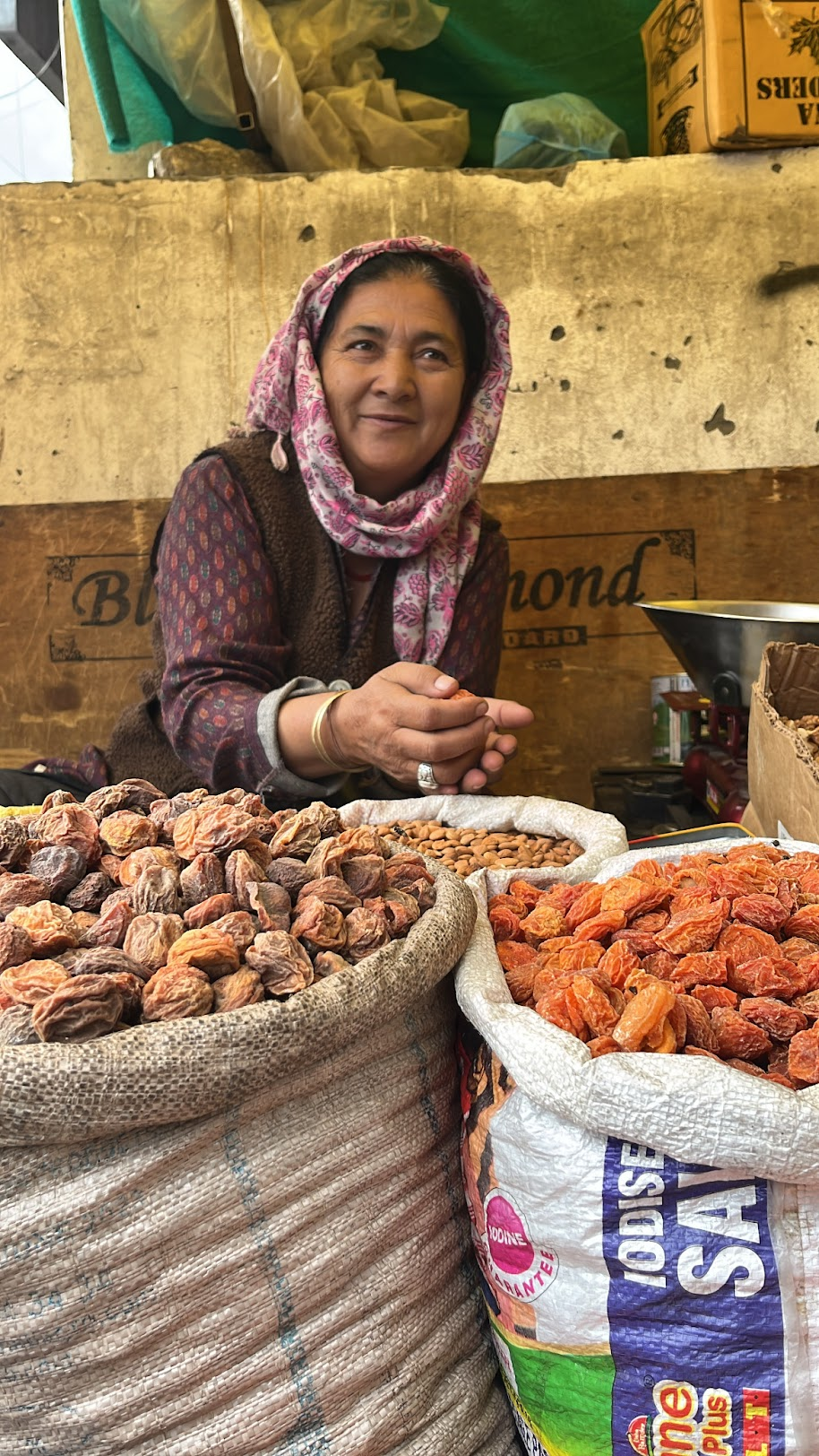
From the orchards that turn golden in summer to the sacks of dried apricots found in Leh’s bustling bazaars, Ladakhi apricots are a story of resilience, tradition, and natural purity. Whether bright orange sulphured ones or the dark, wrinkled, naturally dried treasures, each apricot carries the flavor of Ladakh’s mountains a true golden treasure of the Himalayas.


Comments